

Description
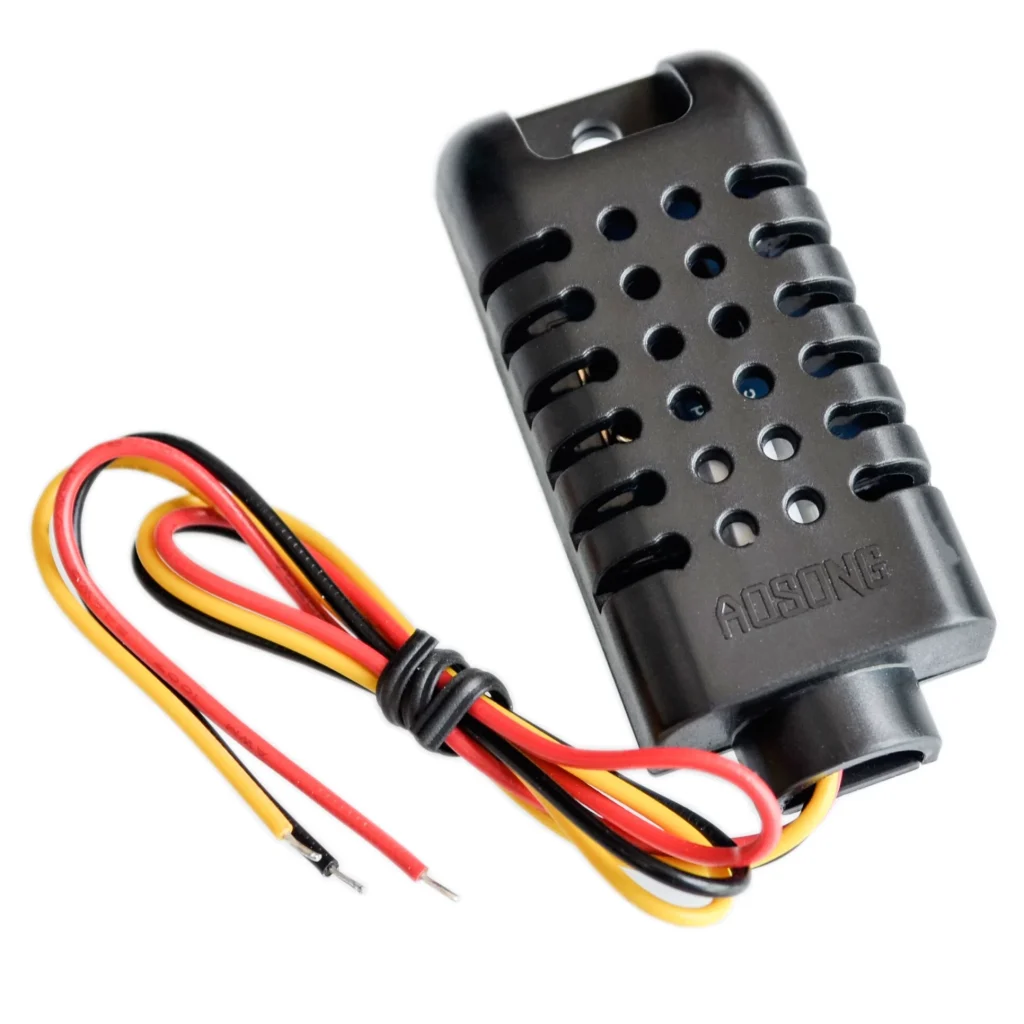
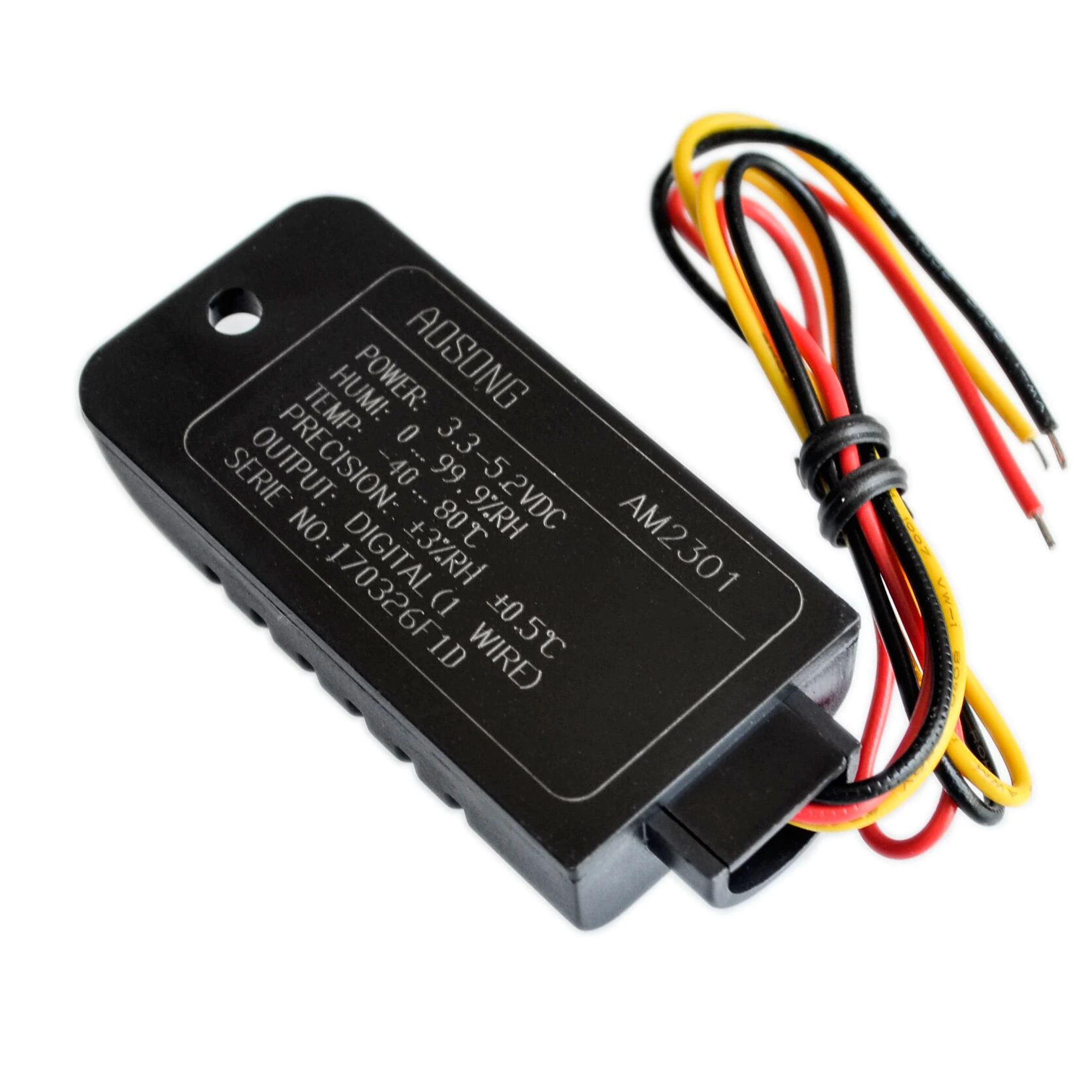
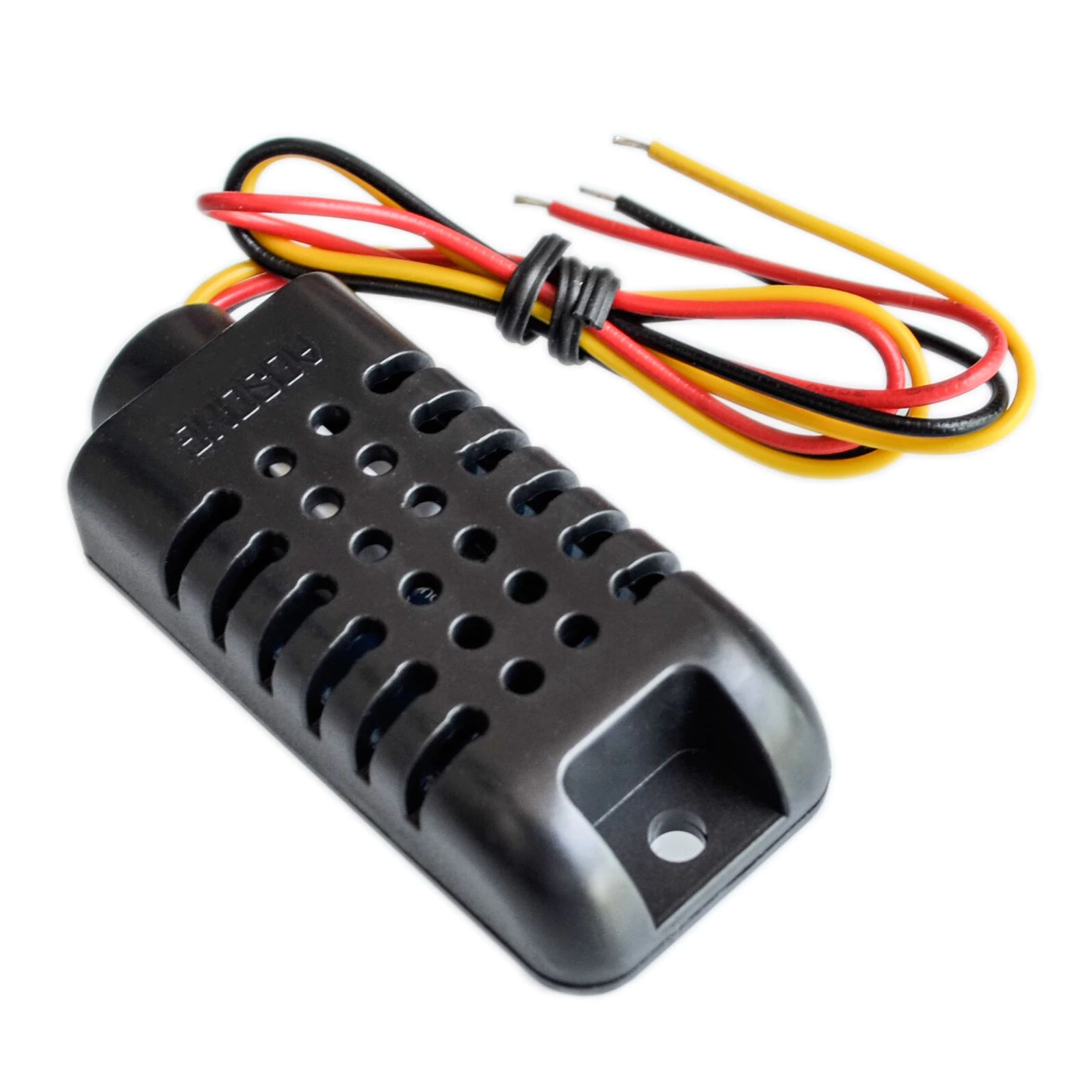
A sensor that monitors humidity and temperature in the environment is known as a temperature and humidity sensor. A thermistor, which detects temperature, and a hygrometer, which measures humidity, are the two primary parts of these sensors. So, Various applications of the sensors are HVAC systems, greenhouses, museums, and data centers, to monitor and regulate temperature and humidity levels.
There are various kinds of temperature and humidity sensors available, including those that gauge the two variables via thermal conductivity, capacitance, and resistance. While some sensors utilize different chips for temperature and humidity measurements, others use a single chip to measure both.

Applications:
- HVAC (Heating, Ventilation, and Air Conditioning) systems: Firstly, They can monitor and regulate the temperature and humidity levels in buildings. It contributes to the maintenance of a cozy and healthy indoor environment.
- Agriculture: Temperature and humidity sensors can be used to monitor and regulate the environment in greenhouses and other agricultural settings. It guarantees that plants have the best possible growing circumstances.
- Data Centers: Monitoring and controlling using sensors to ensure the ideal operating conditions for electronic equipment, temperature, and humidity levels in data centers.
- Automobile: In the automotive sector, using humidity sensors for a variety of purposes. Including the regulation of the engine air-fuel ratio, air conditioning systems, cabin air quality, etc.
- Industry: Utilizing temperature and humidity sensors to monitor and regulate the temperature and humidity levels. And it prevents damage to products and equipment, in industrial environments including manufacturing and warehousing.
- Weather monitoring: Lastly, to measure the temperature and humidity levels at a particular location and time.

Reviews
There are no reviews yet.