
3D web development is the process of creating a digital model of a three-dimensional shape or object using software. Across industries, organizations and professionals use 3D web development to communicate ideas. It creates products and customer experiences, teach concepts, improve lives, and more. Modeling in 3D is used in a variety of industries, including film, animation, and gaming, as well as interior design and architecture. 3D allows you to create extremely realistic scenes. In recent games and films, computer-generated objects are combined with photographic backgrounds to enhance the illusion even further. When you compare photographs and computer-generated scenes, you can see the incredible results.
Types of 3D design
- Building Information Modeling (BIM)
It allows architects, engineers, real estate developers, contractors, and other construction professionals to work together in 3D to design a building. Parts, materials, financials, logistics, and actionable steps can all be included in BIM designs.
- Product design
It is the process of developing new products or improving existing ones through 3D conceptualization, simulation, and design finalization before they the manufacture.
- Visual effects (VFX)
IT is the process of altering, creating, or enhancing media for live-action imagery, particularly when capturing live footage would be dangerous, expensive, or impossible.
- Virtual reality (VR)
It is a subset of the broader term extended reality (XR) and refers to the creation of immersive 3D experiences that allow individuals, teams, and businesses to visualize concepts, collaborate, entertain, and do other things.
- Generative design
The process of generating multiple design options based on a concept. Designer or engineers generate design goals, requirement parameters and constraints The software then generates representations of various design outcomes for designers and engineers to investigate.
What can you do in 3D design?
3D web development provides many opportunities to develop your creative and professional abilities. We’ve compiled a list of 3D design and jobs from a variety of industries in this section.
Design projects
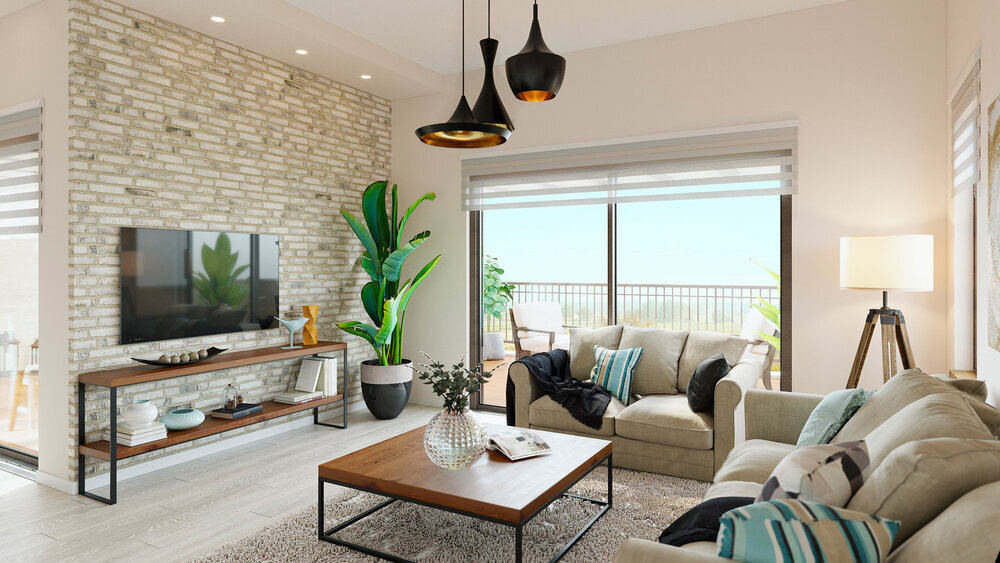
- 3D interior design
It uses of software to create three-dimensional models of fully functional interior spaces such as homes, offices, restaurants, and event spaces. designers consider the internal structure and dimensions of a space to ensure that furniture, lighting, décor, and other design elements complement one another.
For example,
- 3D landscape design
It uses of software to create three-dimensional representations of outdoor landscapes such as yards, gardens, parks, and professional exterior spaces. Plants, trees, shrubbery, furniture, walls, stones, walkways, and other elements are all considered by 3D landscape designers.
For example,

- 3D logo design :
3D logo design is the process of creating logos that appear three-dimensional. Depending on the brand, 3D logo can leave a lasting impression on a target audience.
For example,

For More Contact us or Visit our Website www.flyuptechnology.com


